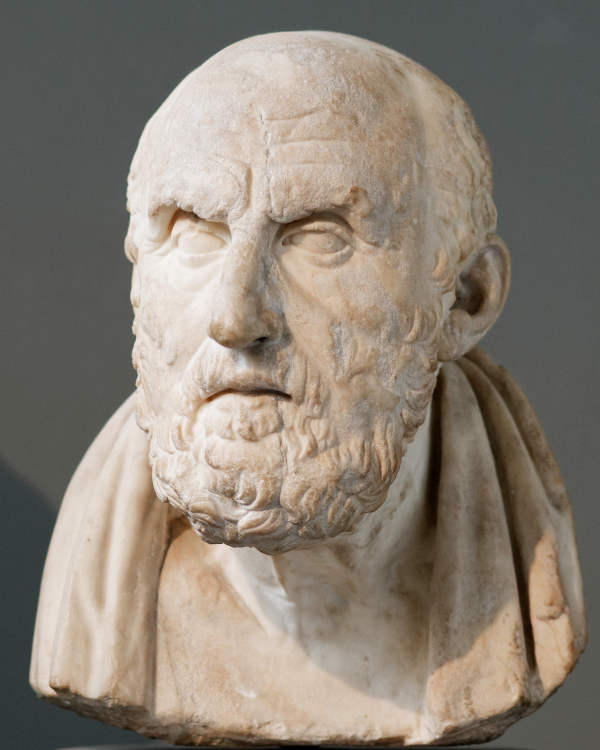
Cosmopolitan Ideas, Personal Ethics.
Hellenistic Philosophy from 323 to 31 BCE
Hellenistic Philosophy is a term used to describe the philosophical ideas that emerged in the Hellenistic period, which spanned from the death of Alexander the Great in 323 BCE to the fall of the Ptolemaic dynasty in 31 BCE. This period saw the rise of new schools of thought and the synthesis of older philosophical traditions, resulting in a diverse and vibrant philosophical landscape.
One of the most prominent schools of Hellenistic Philosophy was Stoicism, founded by the Greek philosopher Zeno of Citium in Athens in the early third century BCE. The Stoics believed in living in accordance with nature and cultivating inner tranquility through self-control and rationality. They also held a deterministic view of the universe, believing that everything that happens is predetermined by fate. The Stoics placed great emphasis on ethics and the importance of living a virtuous life, which they believed would lead to happiness.
Another significant school of thought was Epicureanism, founded by the Greek philosopher Epicurus in Athens in the late fourth century BCE. Epicureans believed that the purpose of life was to achieve happiness and avoid pain, and that this could be accomplished by living a simple and self-sufficient life, free from fear and anxiety. They also held a materialistic view of the universe, believing that everything was made up of atoms and that there was no afterlife or divine intervention.
A third major school of Hellenistic Philosophy was Skepticism, which originated with the Greek philosopher Pyrrho in the late fourth century BCE. Skeptics believed that knowledge was impossible, and that we should suspend judgment on all matters, including moral and metaphysical questions. They argued that we should live in accordance with appearances, rather than trying to understand the underlying nature of things.
Other important schools of Hellenistic Philosophy include the Cynics, who valued simplicity and self-sufficiency, and the Academic Skeptics, who held that knowledge was uncertain and that we should therefore always be open to new ideas and perspectives.
Hellenistic Philosophy had a significant impact on Western thought and continues to influence philosophical discourse today. Its emphasis on ethics, reason, and the search for happiness and tranquility has resonated with thinkers throughout the ages, and its ideas continue to be studied and debated in universities and philosophical circles around the world.
Hellenistic
Timeline
Embracing Radical Simplicity.
Cynicismfrom 400 BCE to 200 CE
Doubt Everything.
The Skeptical Traditionfrom 300 BCE to 200 CE
Virtue as the Key to Happiness.
The Rise of Stoicismfrom 300 to 200 CE
The Suspension of Judgment.
Skepticism300 BCE - 200 CE
The Pursuit of Pleasure without Excess.
The Epicurean Schoolfrom 307 to 31 BCE