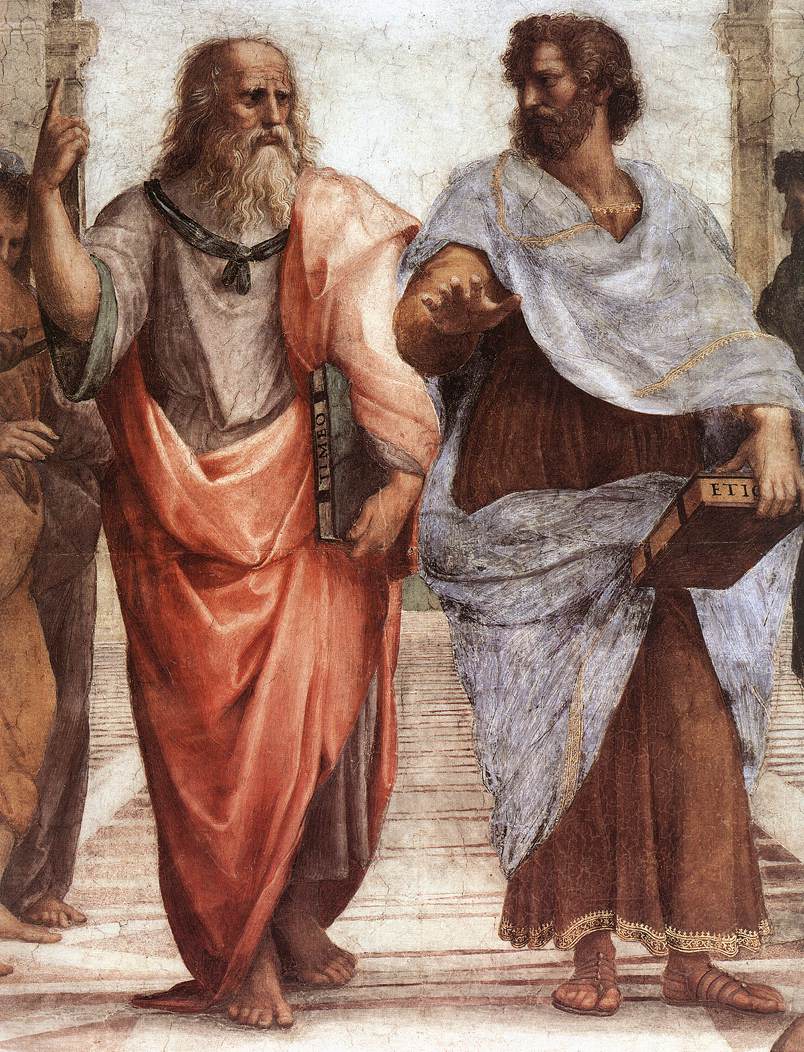
A Journey Through Time, The Quest for Understanding
Philosophy from c. 624 BCE to present
Philosophy is a subject that has fascinated people for centuries, and has been the foundation for many fields of study. From the earliest times, people have been trying to understand the world around them, to make sense of their existence, and to find meaning in life. The history of philosophy is a journey through time, as thinkers and scholars have grappled with some of the most profound questions that humanity has ever faced.
The quest for understanding has been at the heart of philosophy from the very beginning. Ancient Greek philosophers such as Plato and Aristotle sought to understand the nature of reality and the universe, as well as the nature of human beings and their place in the world. They developed complex systems of thought that continue to influence the way we think about the world today.
Over the centuries, philosophers have continued to explore these questions, and have developed new insights and perspectives on them. In the Middle Ages, thinkers such as Thomas Aquinas drew on the ideas of the ancient philosophers, as well as the teachings of the Christian church, to develop a new synthesis of philosophy and theology.
In the modern era, philosophers have continued to explore new ideas and concepts, and have made important contributions to fields such as ethics, politics, and epistemology. The Enlightenment philosophers, such as Immanuel Kant and John Locke, developed new ideas about the nature of human knowledge and the role of reason in understanding the world.
Today, philosophy continues to be a vital field of study, as scholars explore new ideas and perspectives on some of the most pressing questions facing humanity. From the ethics of artificial intelligence to the nature of consciousness and the meaning of life, philosophers continue to engage in the quest for understanding.
Ultimately, philosophy is a journey that never ends, as new questions arise and new perspectives are developed. It is a discipline that challenges us to think deeply about the world around us, to question our assumptions, and to seek out new insights and understanding. Through this ongoing quest for understanding, philosophy continues to be a vital and enriching field of study.
Timeline
Primal Questions, Pioneering Thoughts.
Pre-Socratic Philosophyfrom 624 to 450 BCE
Inquiry and Insight, Reason and Reflection.
The Socratic and Platonic Traditionfrom 469 to 347 BCE
Cosmopolitan Ideas, Personal Ethics.
Hellenistic Philosophyfrom 323 to 31 BCE
Reasoned Realism, Empirical Exploration.
The Aristotelian Traditionfrom 384 to 322 BCE
Cultural Synthesis, Ethical and Religious Reflection.
Roman and Early Christian Philosophyfrom 27 BCE to 451 CE
The Middle Path, Theology and Reason in Tandem.
Medieval Philosophyfrom 500 to 1500 CE
The Revival of Antiquity, A New Humanism.
Renaissance Philosophyfrom 1400 to 1600 CE