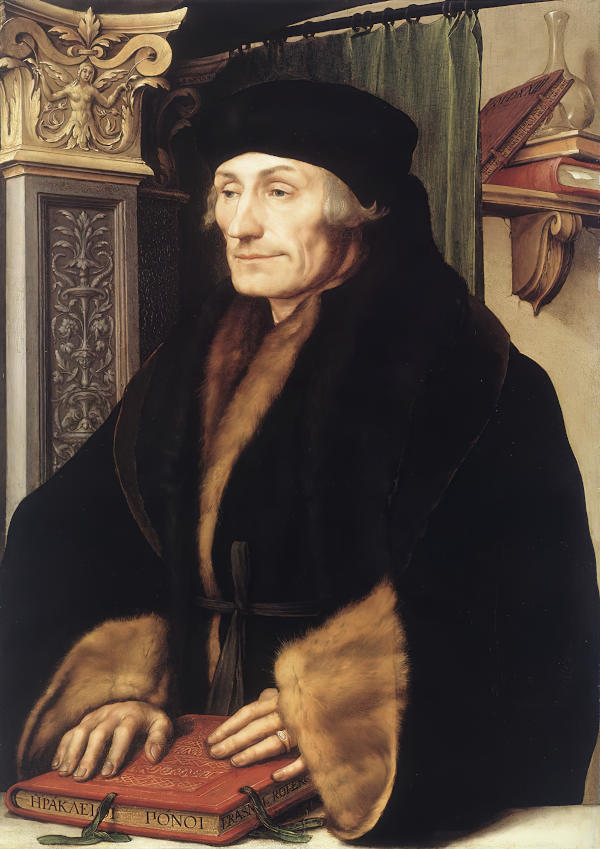
The Revival of Antiquity, A New Humanism.
Renaissance Philosophy from 1400 to 1600 CE
Renaissance philosophy is a period of intellectual and cultural rebirth that began in Italy in the 14th century and spread throughout Europe until the 17th century. This period marked a significant shift in the way people thought about the world and their place in it. The Renaissance philosophers were inspired by the classical texts of ancient Greece and Rome, and they sought to revive the ideas and values of those civilizations.
One of the key characteristics of Renaissance philosophy was its emphasis on humanism, which placed great importance on human dignity, individualism, and reason. Humanists believed that individuals had the ability to shape their own destiny through the use of reason, and that this capacity made humans distinct from other creatures.
Another important aspect of Renaissance philosophy was its focus on empirical observation and experimentation. Renaissance thinkers were interested in understanding the natural world through observation and experimentation, and they rejected the dogmatic approach of the medieval period, which relied heavily on religious authority.
Renaissance philosophy also emphasized the importance of individual creativity and artistic expression. Renaissance artists and writers sought to express their own individuality through their work, rather than simply copying the styles of their predecessors.
Some of the most important Renaissance philosophers include Niccolo Machiavelli, who is known for his work on political theory, Francesco Petrarca, who is considered the founder of humanism, and Galileo Galilei, who made significant contributions to astronomy and physics.
Overall, Renaissance philosophy was characterized by a renewed interest in classical texts, a focus on humanism and reason, a commitment to empirical observation and experimentation, and an emphasis on individual creativity and expression. These ideas had a profound impact on the development of Western thought and continue to shape our understanding of the world today.
Renaissance
Timeline
Celebrating the Human Spirit.
HumanismFrom 1400 to 1600 CE
Harmonizing Faith and Reason.
Renaissance ScholasticismFrom 1400 to 1600 CE
Questioning Certainty.
Renaissance SkepticismFrom 1500 to 1600 CE
Exploring the Natural World.
Natural PhilosophyFrom 1500 to 1600 CE
Rethinking the Nature of Government.
Early Modern Political PhilosophyFrom 1500 to 1600 CE