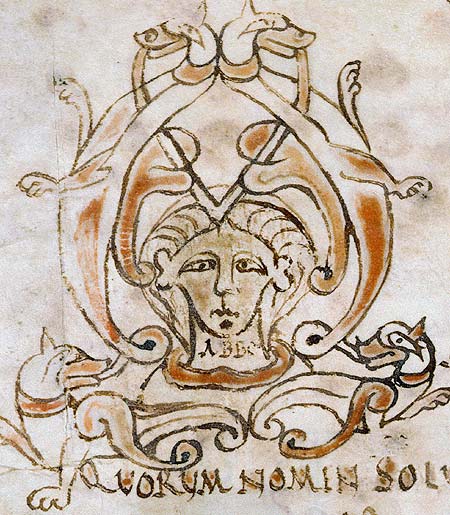
The Middle Path: Theology and Reason in Tandem.
Medieval Philosophy
from 500 to 1500 CE
The medieval period, also known as the Middle Ages, is a time period in European history that lasted from the 5th century to the 15th century. This period is characterized by the decline of the Roman Empire and the emergence of various political, social, and cultural changes. It is also a time when the Christian Church played a significant role in shaping the philosophical and intellectual landscape of Europe. The medieval philosophy is the branch of philosophy that flourished during this period and was heavily influenced by Christian theology.
Medieval philosophy began with the works of Augustine of Hippo (354-430), who sought to reconcile Christian theology with the philosophy of Plato and Aristotle. Augustine's ideas on the nature of God, human nature, and the relationship between faith and reason were influential in shaping medieval philosophical discourse. One of the key themes of medieval philosophy was the reconciliation of faith and reason, as many medieval thinkers sought to find a balance between the two.
Another major theme of medieval philosophy was the nature of reality and the relationship between the material and spiritual worlds. This was particularly important in discussions about the existence of God, the nature of the soul, and the afterlife. Many medieval philosophers also explored questions about ethics, politics, and the role of the individual in society.
During the medieval period, universities emerged as centers of learning and intellectual inquiry, particularly in Europe. This led to the development of scholasticism, a method of inquiry that emphasized the use of reason and logic in the study of theology and philosophy. Scholasticism played a significant role in shaping medieval philosophy, particularly through the works of Thomas Aquinas (1225-1274), who sought to reconcile Aristotelian philosophy with Christian theology.
Overall, medieval philosophy was characterized by its emphasis on the relationship between faith and reason, the nature of reality, and the role of philosophy in understanding theological concepts. The works of medieval philosophers continue to be studied and debated today, as they provide insights into the intellectual and cultural landscape of medieval Europe.
Medieval
Timeline
Theology Meets Reason.
Early Medieval PhilosophyFrom 500 to 800 CE
Faith and Reason in Harmony.
High Medieval PhilosophyFrom 1100 to 1300 CE
Beyond Reason.
Mystical PhilosophyFrom 1200 to 1500 CE
The End of an Era.
Late Medieval PhilosophyFrom 1300 to 1500 CE
Diverse Traditions.
Jewish and Islamic PhilosophyFrom 800 to 1600 CE